Digital Twin of PEM Fuel Cell -
Date
July 2024
Service
Renewable Energy
Client
Department Of Physics, SJC, Trichy.
Project Overview
Development of a Digital Twin for PEM Fuel Cell to Reduce Experimentation Costs
Problem Statement
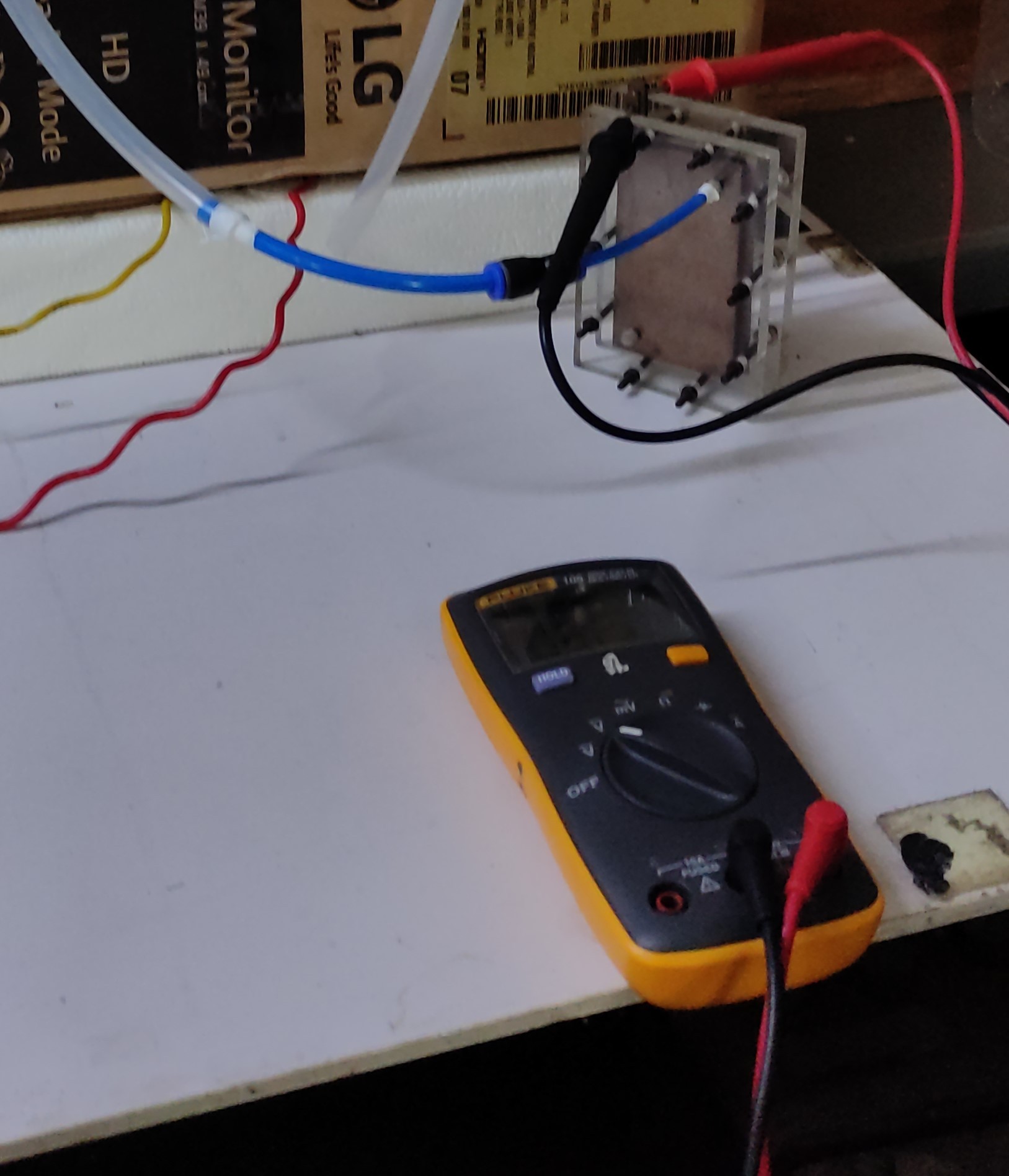
Proton Exchange Membrane (PEM) fuel cells are a promising clean energy technology that converts hydrogen into electricity. However, real-world experimentation and testing of PEM fuel cells involve significant costs due to:
The high cost of hydrogen production through electrolysis
The logistical challenges and expense of hydrogen storage
Efficiency degradation during continuous operation due to water accumulation within the cell
Extensive need for repeated physical testing to optimize operational parameters
These factors make the traditional experimentation process resource-intensive, time-consuming, and economically unviable for scalable research and development.
Project Objective
The objective of this project was to build a Digital Twin of a PEM fuel cell system using machine learning techniques. This virtual replica simulates the behavior of the fuel cell under varying conditions and helps researchers test configurations digitally. The primary goal was to reduce real-world experimentation costs by at least 80% without compromising accuracy and reliability.
Problem Solved and Key Results
Eliminated the need for repeated physical tests under varied experimental conditions
Enabled researchers to simulate hundreds of configurations digitally in a fraction of the time
Reduced experimentation costs by approximately 80%
Improved the efficiency of fuel cell R&D workflows
Provided a scalable solution for future integration with IoT-based monitoring systems and control strategies
Key Contributions
Bridged the gap between theoretical modeling and real-world experimentation in clean energy research
Created a robust ML model trained on multi-dimensional experimental data
Delivered a cost-effective solution to accelerate hydrogen-based fuel cell innovation
Demonstrated the power of Digital Twins in industrial and energy systems optimization
Impact and Future Scope
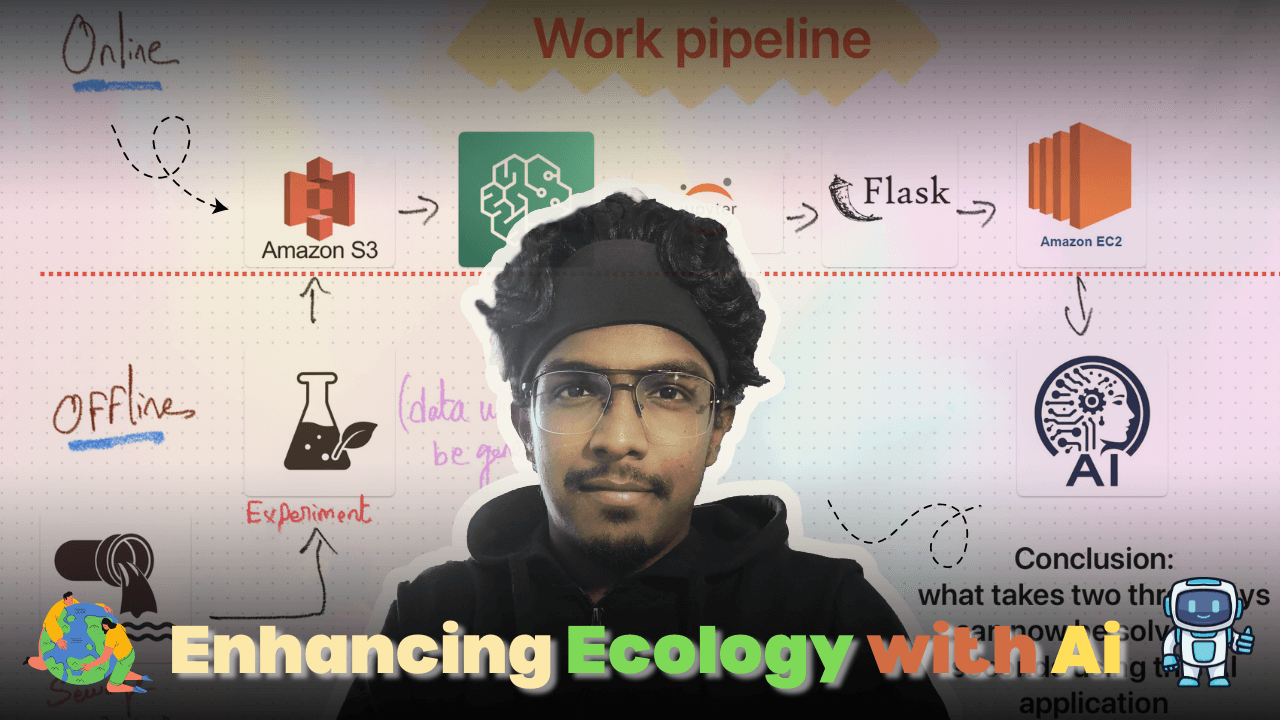
This project showcases the potential of combining machine learning and cloud computing to build virtual simulation environments that replicate real-world behavior. The Digital Twin approach can be extended to:
Automotive hydrogen fuel cell systems
Industrial-scale electrolysis units
Renewable energy storage solutions
It opens pathways to sustainable innovation, reducing reliance on costly experiments while improving reliability and research productivity.